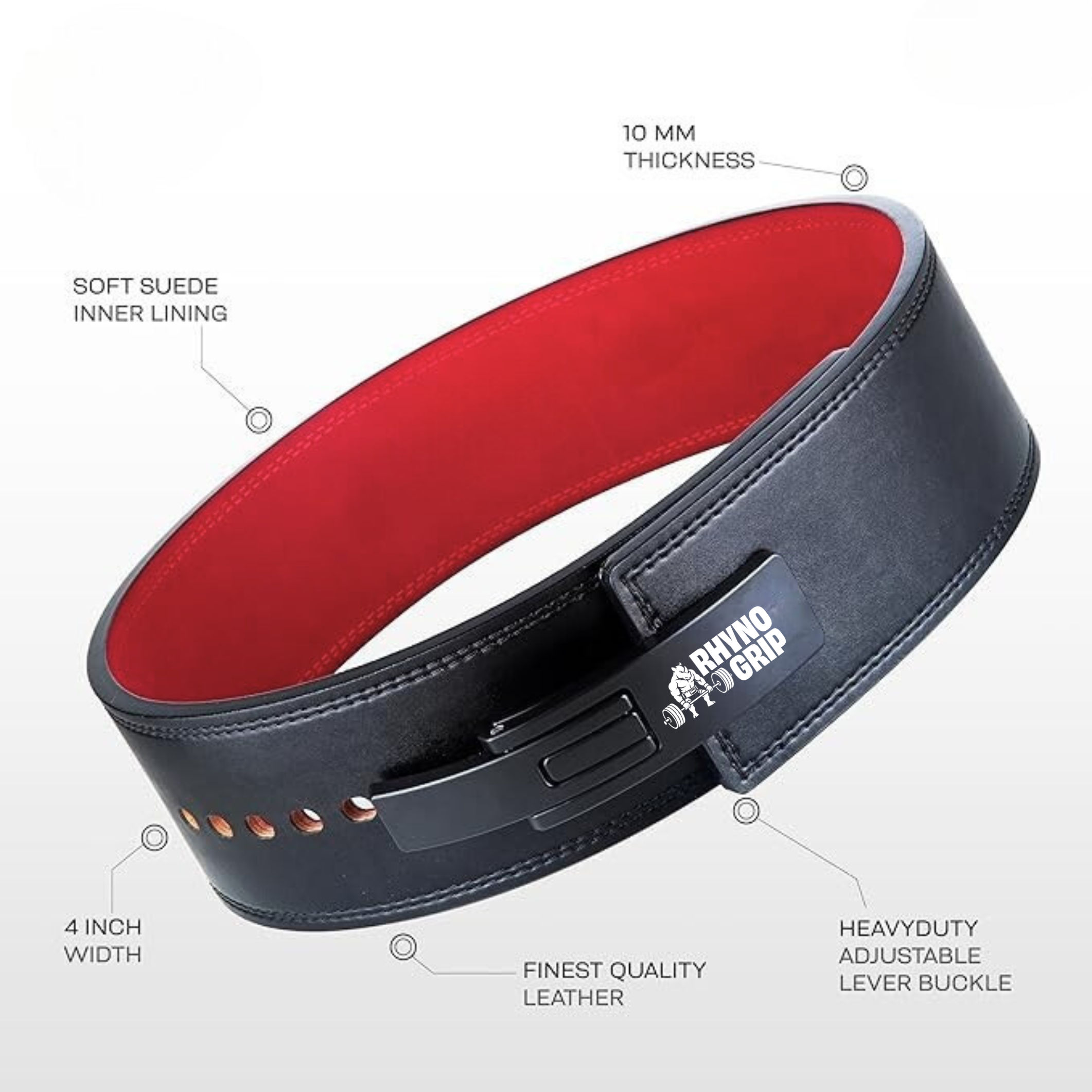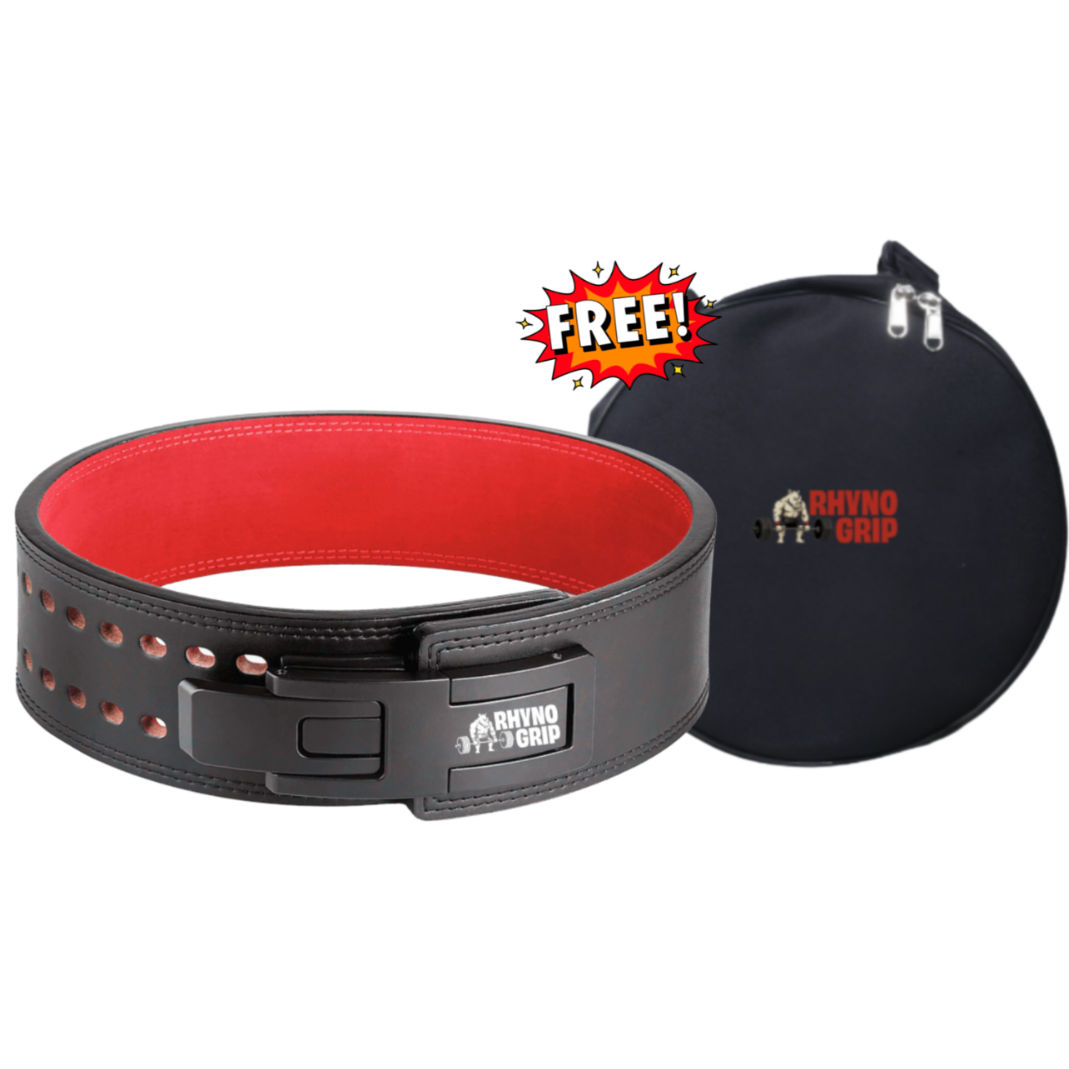
The deadlift is the lift most improved by a proper belt -- and the one where most lifters use it wrong. A well-fitted weightlifting belt for deadlifts does not protect your back directly. It gives your core something to brace against, dramatically increasing intra-abdominal pressure and spinal stability.
How a Belt Actually Helps Your Deadlift
When you take a deep breath and brace your core before a heavy pull, your abdominal wall pushes outward. Without a belt, that pressure dissipates. With a belt, your muscles push against the rigid leather, creating a hydraulic effect that stabilises your entire spine. Research shows this can increase intra-abdominal pressure by 20-40%, translating directly to more weight on the bar.
Belt Position for Deadlifts vs Squats
This is the number one mistake. For squats, the belt sits directly over the navel. For deadlifts, most lifters benefit from a slightly higher position -- just below the ribcage. This accommodates the hip hinge position and prevents the belt from digging into your hip bones at the bottom of the pull.
Experiment with position during warm-up sets. The right spot feels like the belt is working with your brace, not fighting against your body position.
When to Start Using a Belt for Deadlifts
There is no magic number, but these guidelines work for most lifters:
- Beginners (under 6 months) -- Train beltless. Learn to brace properly without external support first.
- Intermediate (1.5x bodyweight deadlift) -- Start introducing a belt on working sets above 80% of your max. Keep warm-ups beltless.
- Advanced (2x+ bodyweight deadlift) -- Belt for all working sets. Some lifters belt up from 70% onwards for consistency.
10mm vs 13mm for Deadlifts
For conventional deadlifts, a 10mm belt is generally superior. It provides excellent support while being thin enough to avoid interference at the bottom of the pull. The 10mm thickness also allows greater range of motion in the hip hinge compared to a stiff 13mm.
For sumo deadlifts, either thickness works since the torso stays more upright. If you primarily sumo pull and squat heavy, a 13mm belt can serve both lifts without compromise.
Conventional vs Sumo: Belt Considerations
Conventional pullers often prefer the belt one notch looser than their squat setting. The more horizontal back angle requires slightly more room for the brace. Sumo pullers can usually use the same tightness for both squat and deadlift since the torso position is similar.
Complete Deadlift Setup
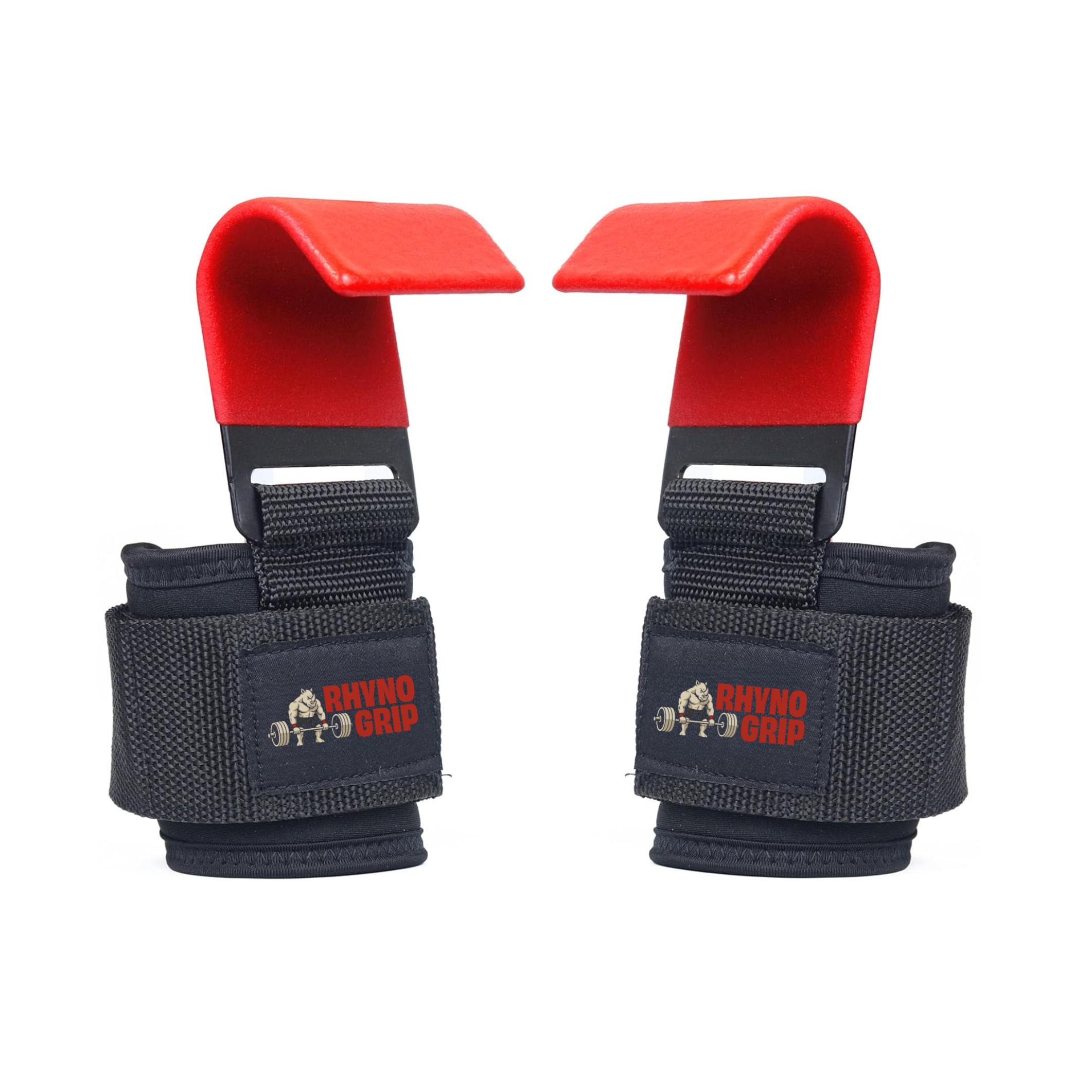
For your heaviest pulls, combine a lever belt with liquid chalk for grip security. When the load exceeds your grip capacity, add lifting straps on your top sets. This lets you train your posterior chain to true failure without grip being the limiting factor.
Find the right deadlift belt in the RhynoGrip belt collection -- all belts ship free across India on orders above ₹999.