If you train in a commercial gym in India, you have probably been told "no chalk allowed." The good news: liquid chalk solves every objection gym owners have while giving you better grip than dry chalk in most situations.
Why Gyms Ban Dry Chalk (And Why Liquid Chalk Is Different)
Gym owners ban chalk because of the mess. Powdered magnesium carbonate gets on bars, benches, floors, and the air. It stains equipment and triggers complaints from other members. Liquid chalk eliminates all of these problems:
- Dries on your hands in 10-15 seconds with zero airborne dust
- Leaves no residue on bars or equipment
- One application lasts 3-5 heavy sets
- Invisible once dry -- nobody even notices you are using it
How to Apply Liquid Chalk Correctly
Most lifters waste product by using too much. Here is the optimal technique:
- Dry your hands completely -- Wipe off all sweat with a towel. Liquid chalk bonds poorly to wet skin
- Use a pea-sized amount -- Squeeze onto one palm. A little goes a long way
- Rub palms together -- Spread evenly across both palms, between fingers, and over the heel of your hand
- Wait 10-15 seconds -- Let the alcohol evaporate completely. Your hands should feel dry and slightly tacky
- Grip the bar -- You will immediately notice the difference. The bar feels locked in your hands
When Liquid Chalk Makes the Biggest Difference
Liquid chalk shines in scenarios where sweaty hands directly limit your performance:
- Deadlifts -- The single lift most limited by grip. Chalk can be the difference between a lockout and a failed pull
- Pull-ups and rows -- Sweaty palms cause slipping on smooth pull-up bars. Chalk fixes this instantly
- Bench press -- Often overlooked. Chalk on your hands improves bar control and prevents the bar from sliding in your grip
- Indian summers -- Humidity in Indian gyms from April to September makes bare-hand lifting genuinely dangerous on heavy movements
Liquid Chalk vs Gym Gloves: There Is No Contest
Gym gloves are the worst investment in fitness. They increase effective bar diameter (reducing grip strength), trap sweat against your skin (causing blisters), reduce proprioception (you cannot feel the bar properly), and wear out in months. Liquid chalk costs ₹349, lasts weeks, and improves your grip instead of weakening it.
How to Convince Your Gym to Allow Liquid Chalk
If your gym has a blanket "no chalk" policy, try this approach:
- Show the gym manager liquid chalk and demonstrate that it dries invisible
- Apply it, do a set, and show them the bar afterwards -- zero residue
- Explain that it prevents injuries from dropped weights due to sweaty hands
- Offer to keep it in your bag and apply it away from other members
Most gym managers change their mind once they see it in action.
What to Look for in Quality Liquid Chalk
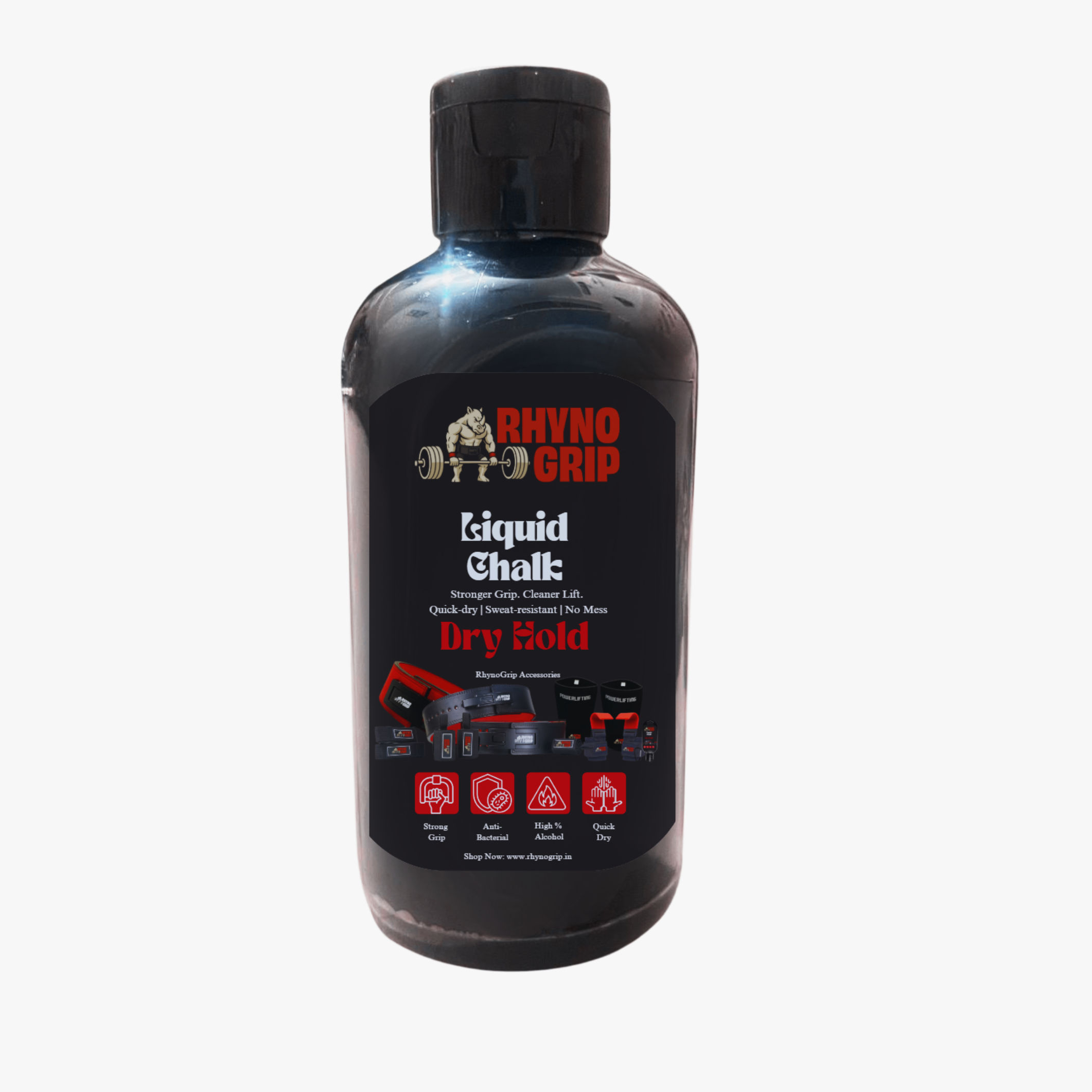
Not all liquid chalk is equal. The RhynoGrip Lifting Liquid Chalk uses a high-concentration magnesium carbonate formula that dries in under 15 seconds and lasts multiple sets. Avoid brands that add fragrances, moisturisers, or fillers -- these reduce friction and defeat the purpose.
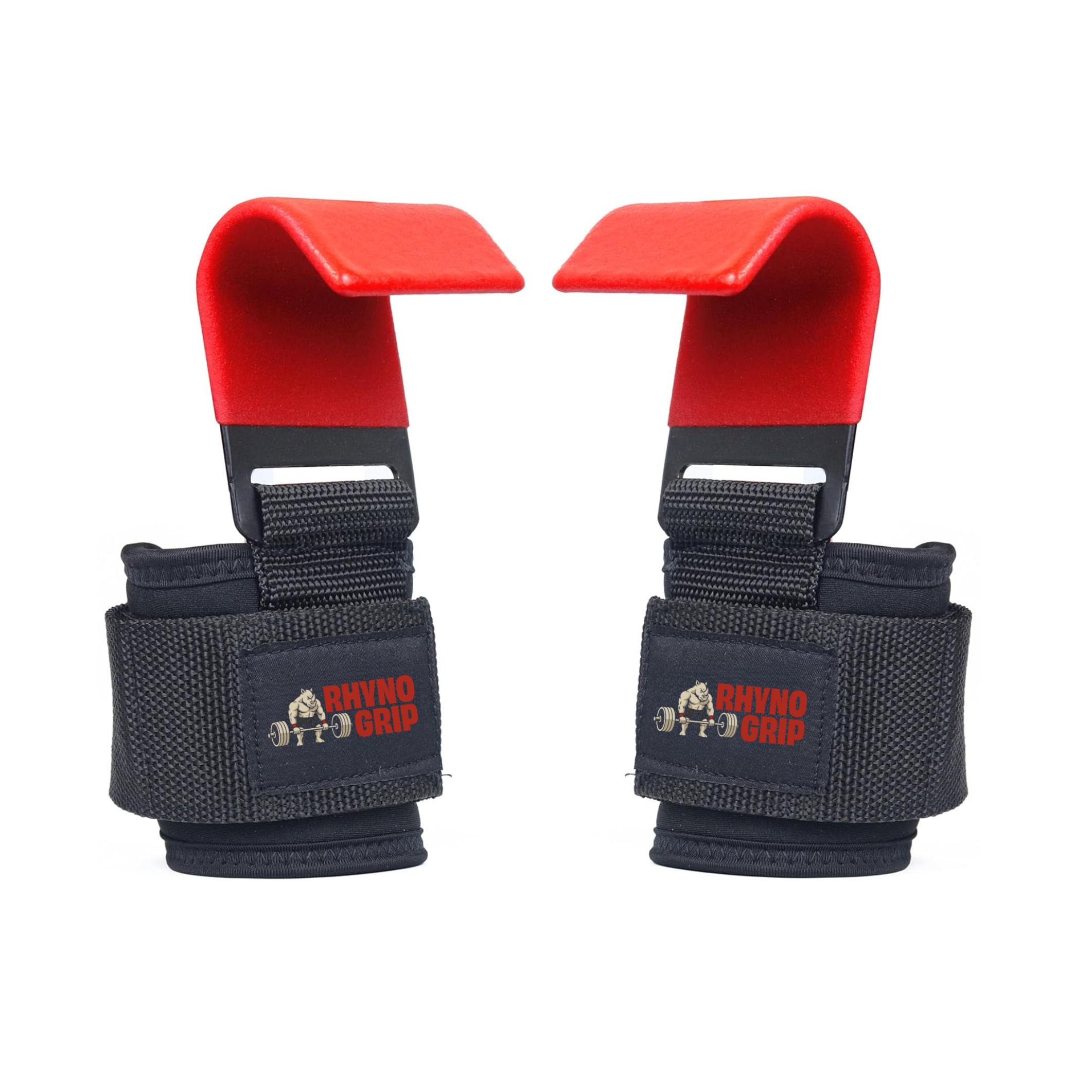
Pair your liquid chalk with lifting straps on your heaviest deadlift sets for complete grip security. Browse all RhynoGrip grip accessories to build your training kit.