Every serious lifter has a callus horror story. Mid-set, heavy deadlift, and suddenly your palm tears open. Now you are out of pulling movements for a week while it heals. Lifting grips and rubber grips exist to prevent exactly this -- protecting your hands without sacrificing bar feel or grip strength development.
Types of Lifting Grips
The market is full of options, but they fall into three main categories:
- Rubber palm grips -- Thin rubber pads that sit between your hand and the bar. They protect calluses while maintaining a natural grip feel. The rubber surface often provides better friction than bare skin, especially on knurled bars.
- Leather grips -- Traditional gymnastics-style grips adapted for weightlifting. More durable than rubber but require a break-in period. Preferred for high-rep workouts and CrossFit-style training.
- Gloves -- Full-hand coverage. We generally do not recommend gloves for barbell training because they increase the effective bar diameter, reducing grip strength and control. Grips are superior in every measurable way.
Why Grips Beat Gloves
This is a hill we will die on. Lifting gloves:
- Increase bar diameter, forcing you to grip harder for the same hold
- Create a squishy layer between your hand and the bar, reducing proprioception
- Trap sweat against your skin, creating blisters
- Wear out quickly at pressure points
Lifting grips solve the hand protection problem without any of these drawbacks. They sit flat against the bar, preserve natural grip mechanics, and allow airflow to your skin.
When to Use Lifting Grips
Grips are most valuable during:
- High-volume pulling days -- Sets of 10+ on deadlifts, rows, and Romanian deadlifts where callus friction accumulates
- Recovery from a tear -- If you already have a torn callus, grips let you keep training without re-opening the wound
- Farmer carries and grip work -- Extended hold times mean extended friction. Grips protect without reducing the training stimulus
- Kipping pull-ups and high-rep bar work -- The dynamic movement pattern creates shear forces that tear calluses quickly
Grips + Chalk: The Optimal Setup
Grips and chalk are not mutually exclusive -- they complement each other. Apply liquid chalk to the outside surface of your grips for maximum friction. The chalk enhances the rubber surface grip while the pad protects your palms. This combination is especially effective for heavy deadlift sessions.
Building Your Complete Pulling Setup
For serious pulling sessions, here is the gear stack that covers every scenario:
- Warm-up sets -- Bare hands with liquid chalk. Build grip strength on lighter loads.
- Working sets -- Rubber grips with chalk for hand protection during high-volume work.
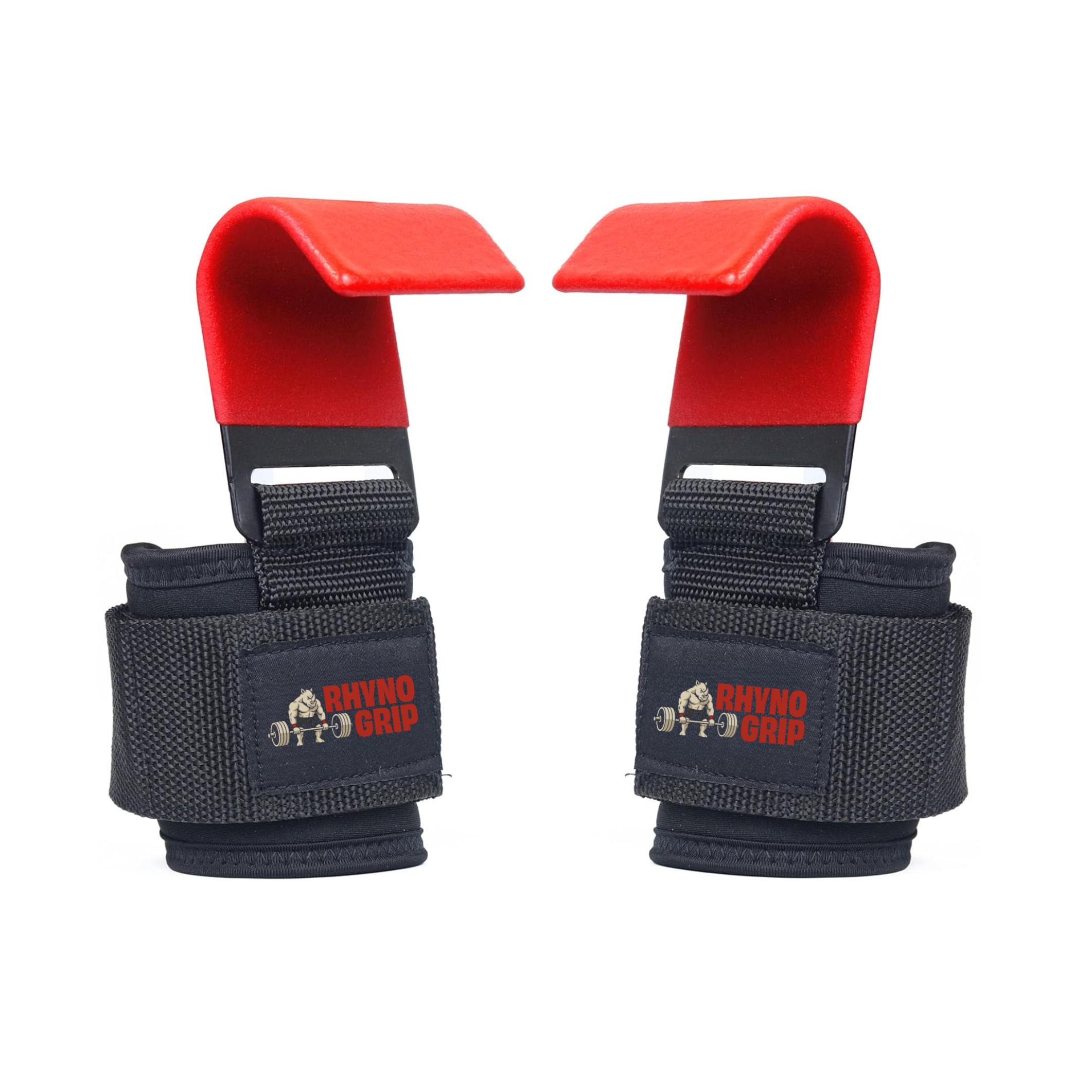
- Top sets (90%+ 1RM) -- Switch to lifting straps to eliminate grip as the limiting factor entirely. Your back and hamstrings should fail before your hands.
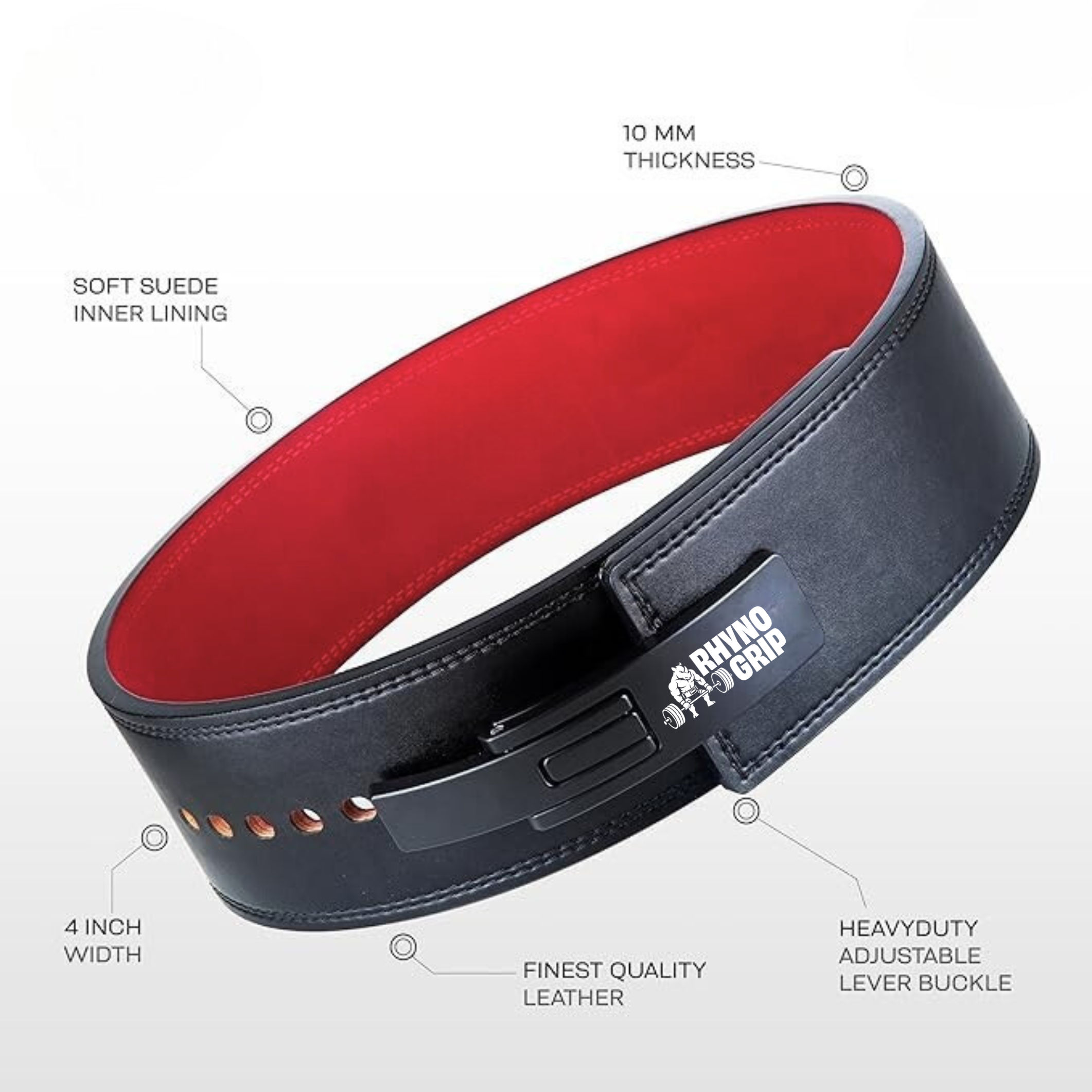
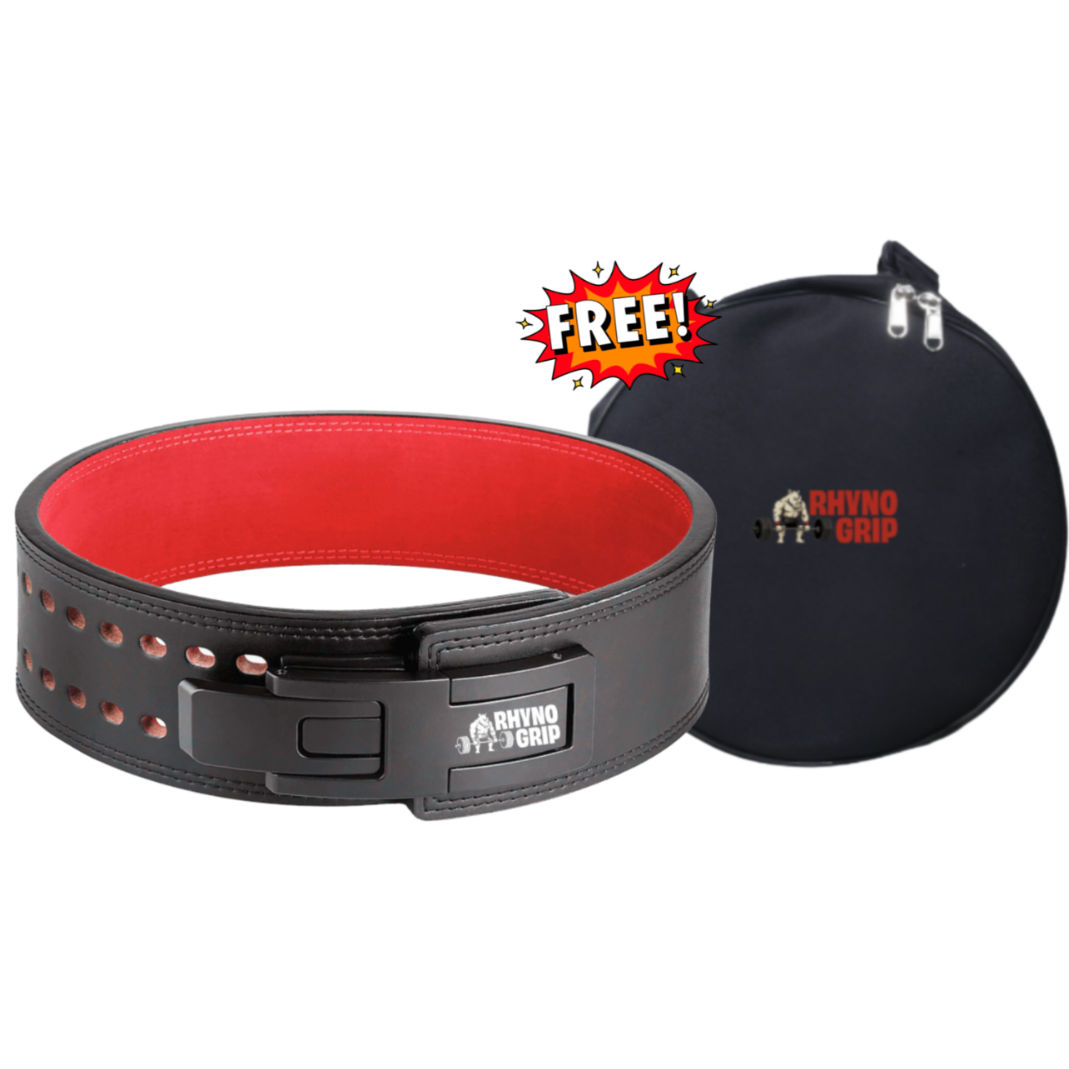
- Belt up -- Anything above 80% deserves a quality lever belt for spinal support and bracing.
Hand Care for Lifters
Prevention is always better than protection. Between sessions:
- File down thick calluses with a pumice stone after showering when the skin is soft
- Moisturize your hands nightly -- dry, cracked skin tears more easily
- Keep calluses flat and even -- raised calluses are the ones that rip
- If a callus does tear, clean it immediately, trim the flap, and apply antiseptic
Your hands are the interface between you and every barbell movement. Protect them intelligently with the right grips and chalk, and you will never lose a training day to a preventable tear. Explore the full range of RhynoGrip lifting accessories to build your complete training arsenal.