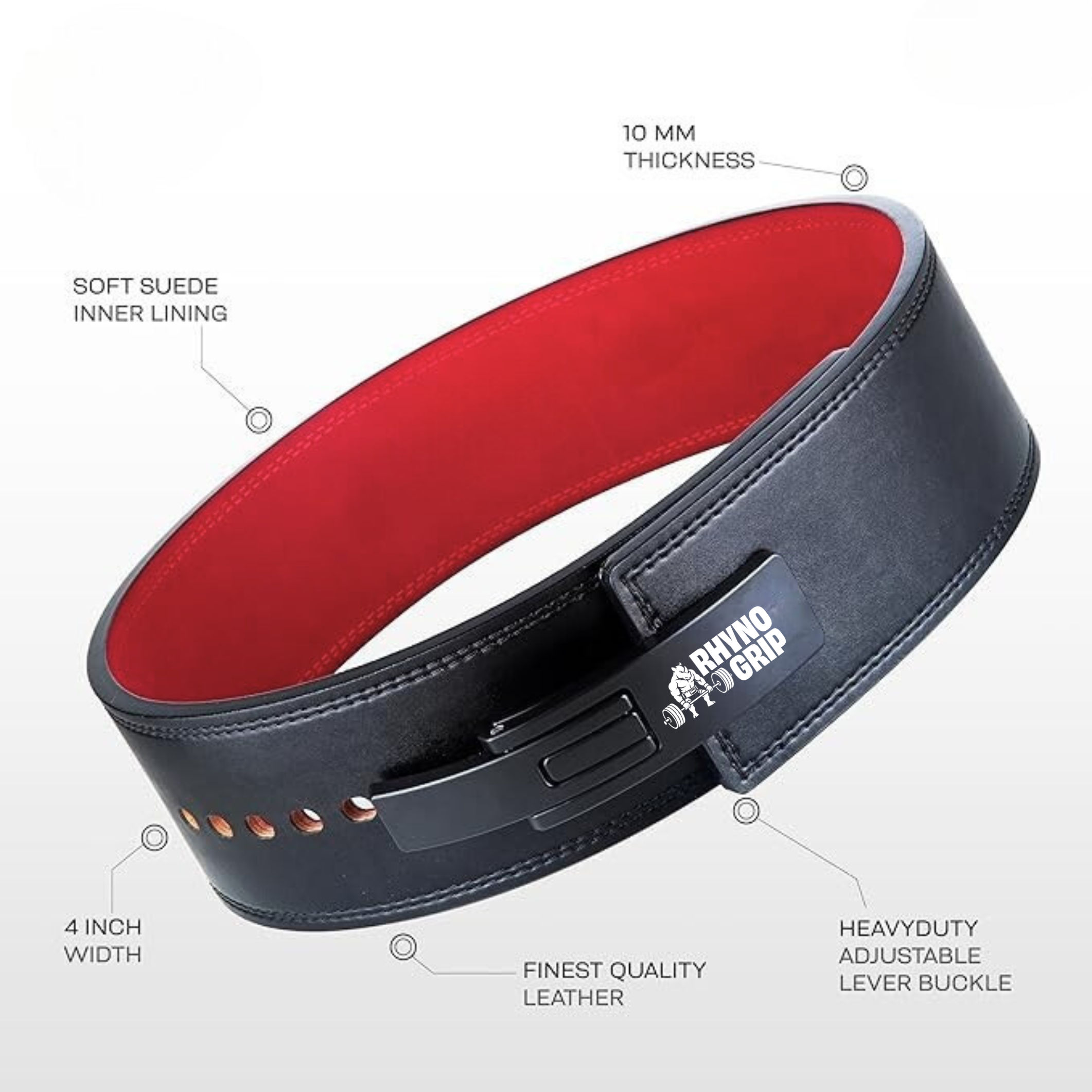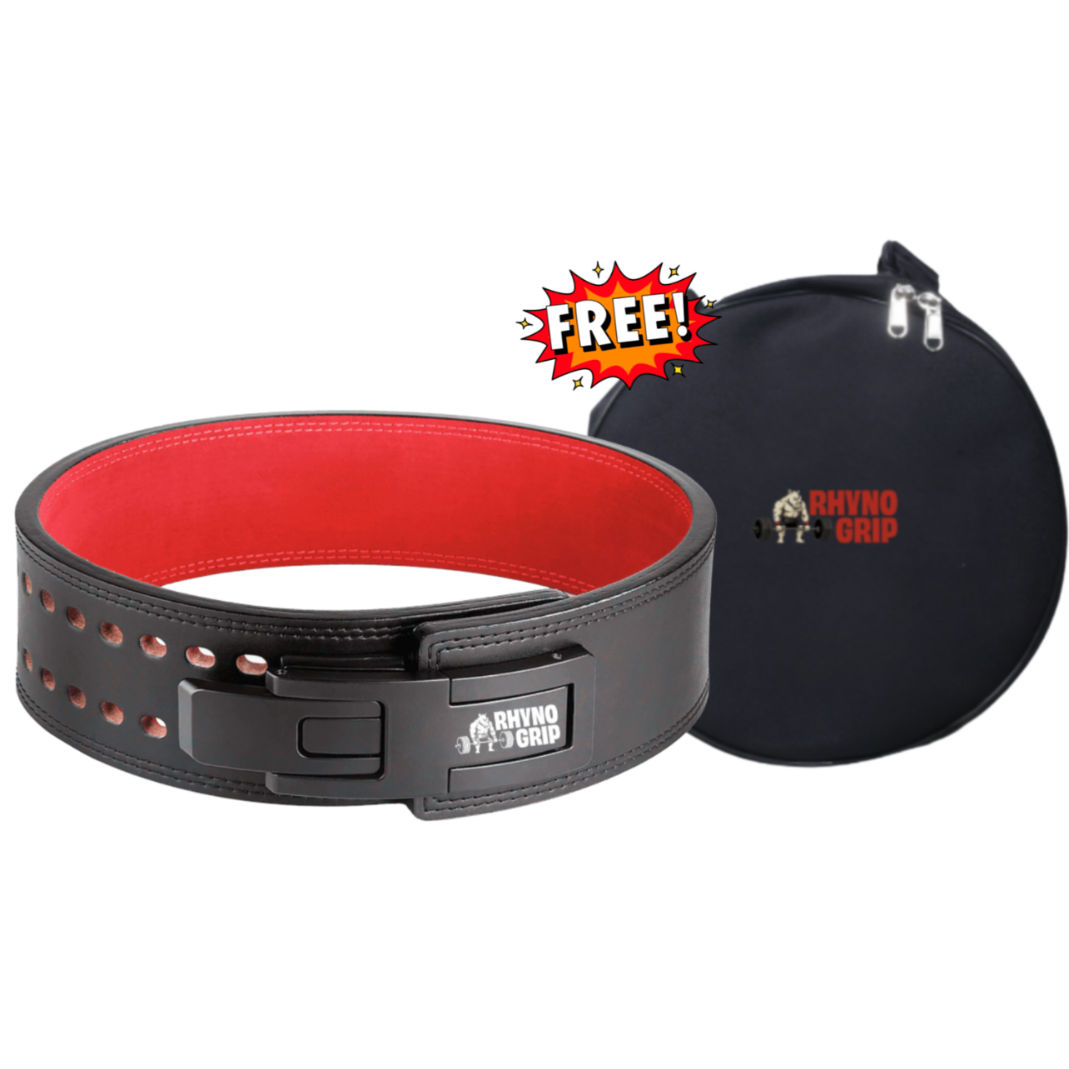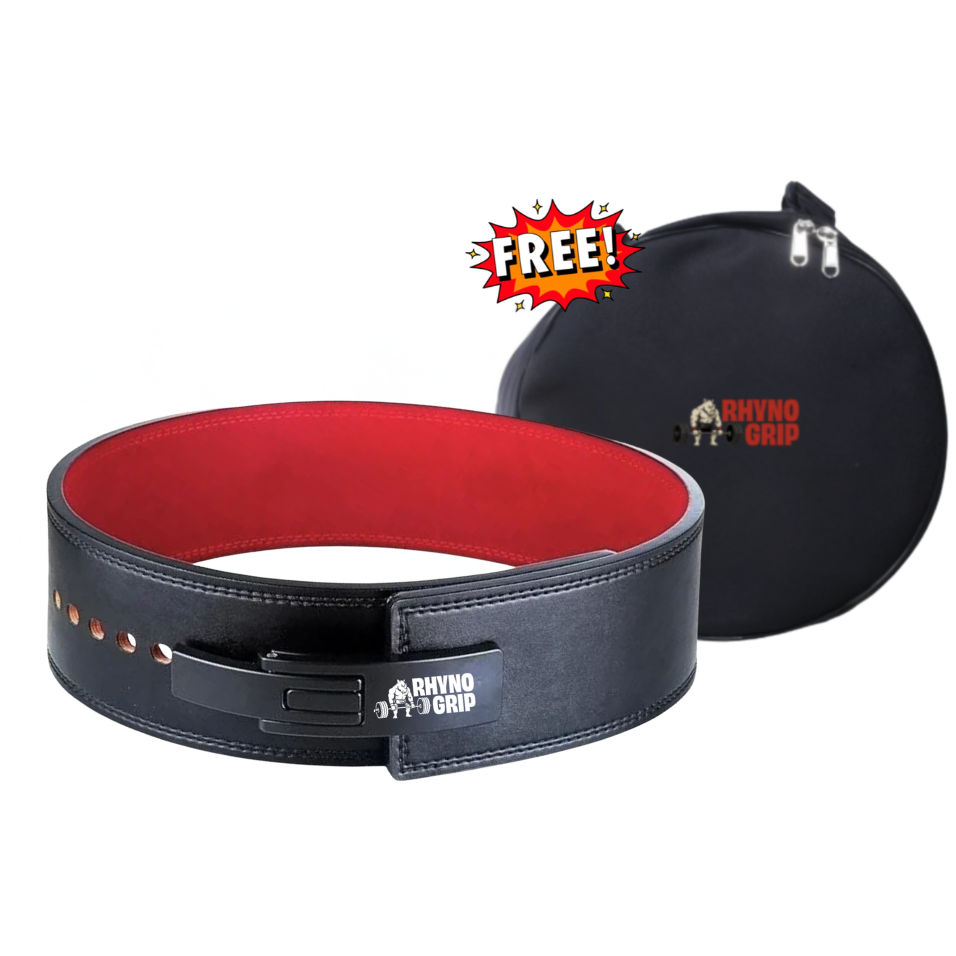
A belt that is too large flops around uselessly. A belt that is too small cannot buckle when you brace. Getting the right size is critical, and it has nothing to do with your trouser size. Here is exactly how to measure for a weightlifting belt.
Step 1: Get a Flexible Measuring Tape
Use a soft fabric measuring tape -- the kind used for sewing. If you do not have one, use a piece of string and measure it against a ruler. Do not use a rigid construction tape measure.
Step 2: Measure Around Your Navel
Stand up straight and relaxed. Do not suck in your stomach. Wrap the measuring tape around your body at the level of your belly button -- not your waist, not your hips, not your chest. Your navel is where the belt sits during heavy lifts.
Keep the tape snug but not tight. You should be able to slide a finger under it. Note this measurement in centimetres.
Step 3: Use the Sizing Chart
Every belt brand has a slightly different sizing chart because lever positions and hole patterns vary. For RhynoGrip belts:
- Small (S) -- 66-81cm (26-32 inches)
- Medium (M) -- 81-96cm (32-38 inches)
- Large (L) -- 96-111cm (38-44 inches)
- Extra Large (XL) -- 111-126cm (44-50 inches)
Step 4: When Between Sizes, Size Up
If your measurement falls near a size boundary, always choose the larger size. For lever belts, the lever plate can be repositioned to make the belt tighter, but you cannot extend the leather to make it longer. For prong belts, extra holes can always be added.
Special Considerations for Lever Belts
Lever belts have approximately 3cm of adjustability within each size. The lever plate is attached with screws that can be moved to one of several positions. This means:
- You can accommodate minor weight fluctuations (2-3kg) without changing settings
- For bulking or cutting cycles, you may need to reposition the lever -- a 2-minute job with a screwdriver
- If you are right at the edge of a size, contact us before ordering and we can advise based on your specific measurements
Common Sizing Mistakes
- Using your trouser size -- Trouser sizes sit at the hips. Belts sit at the navel, which is typically 5-10cm larger
- Measuring while flexed -- Measure relaxed. When you brace, the belt needs room for your belly to expand outward
- Measuring over thick clothing -- Measure directly against your skin or over a thin t-shirt only
- Buying too tight -- A belt that cannot close with room for bracing is useless. You need space to push your belly outward against the belt
What If My Belt Does Not Fit?
If you order from RhynoGrip and the size is not right, our exchange policy has you covered. But measuring correctly the first time saves you the hassle. When in doubt, contact our team with your measurement and we will recommend the right size.
Ready to order? Check out the RhynoGrip 10mm Single Lever Belt or the 13mm Double Lever Belt -- both come with a detailed sizing chart on the product page.