Walk into any gym and you will see lifters wearing wrist wraps for bicep curls. That is not what they are for. Wrist wraps are a targeted support tool designed for heavy pressing and overhead movements -- and when used correctly, they can add meaningful kilos to your bench press and overhead press.
In this guide we cover exactly when wrist wraps help, when they hurt, and how to wrap correctly for maximum performance.
What Do Wrist Wraps Actually Do?
Wrist wraps restrict wrist extension under load. When you bench press or overhead press, the weight naturally pushes your wrist into extension (bending backward). This is inefficient -- it leaks force, stresses the joint, and can cause chronic wrist pain over time.
A properly wrapped wrist stays stacked in a neutral position, transferring force directly from your forearm through the bar. The result: more weight moves and your wrists stay healthy for decades of training.
When to Use Wrist Wraps
Wrist wraps are most beneficial during:
- Heavy bench press -- Working sets above 80% of your max. The heavier the load, the more your wrist wants to bend. Wraps keep the joint locked in place.
- Overhead press and push press -- The overhead position puts tremendous extension force on the wrist. Wraps are essential for heavy singles and doubles.
- Low-bar squats -- Surprising to many, but the low-bar position can aggravate wrists significantly. If you experience wrist pain during squats, wraps can help.
- Heavy dips -- Weighted dips load the wrist in an extended position similar to bench press.
When NOT to Use Wrist Wraps
Do not wrap for pulling movements -- deadlifts, rows, pull-ups. Your wrists are not the limiting factor in these lifts, and wrapping unnecessarily builds a dependency. Similarly, skip wraps for warm-up sets. Let your wrists adapt to lighter loads naturally and save the wraps for your working and top sets.
How to Wrap Correctly
Most lifters wrap too loosely and too low. Here is the proper technique:
- Start the wrap just below the wrist joint -- not on your forearm
- Wrap across the wrist joint itself, covering the bony prominence on the outside of your wrist
- Pull firmly with each pass -- the wrap should feel snug, not cutting off circulation
- Secure with the thumb loop or velcro and test by extending your wrist. It should resist but not prevent movement entirely
- Unwrap between sets to restore blood flow
Wrap Length: 30cm vs 50cm
Shorter wraps (30cm) offer convenience and moderate support -- good for general training. Longer wraps like the RhynoGrip 50cm Wrist Wraps allow more passes around the joint, providing significantly more stiffness for heavy pressing. For most lifters, 50cm is the sweet spot between support and practicality.
Wrist Wraps vs Wrist Straps
These are completely different tools that get confused constantly:
- Wrist wraps -- Wrap around the wrist joint for pressing support. Used for bench, overhead press, and squats.
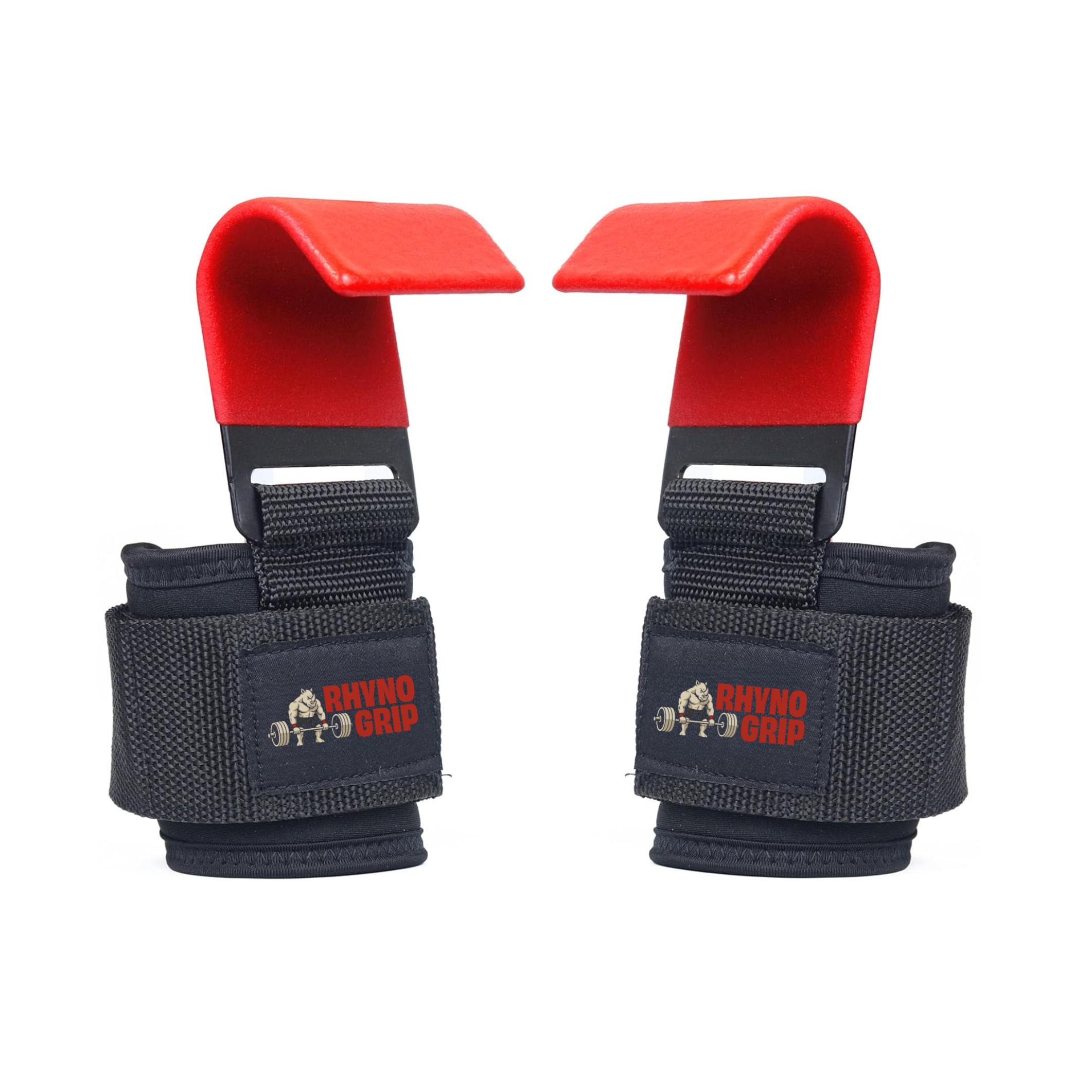
- Lifting straps -- Loop around the bar and your wrist to assist grip. Used for deadlifts, rows, and pulls. Check out the RhynoGrip Lifting Straps for pulling movements.
You need both in your gym bag, but they serve opposite purposes.
Competition Rules for Wrist Wraps
In IPF-affiliated competitions, wrist wraps are allowed up to 1 metre in length. Most lifters compete with 50 to 60cm wraps for bench press. Wraps must not extend more than 10cm above and 2cm below the centre of the wrist joint. Familiarize yourself with the specific rules of your federation before meet day.
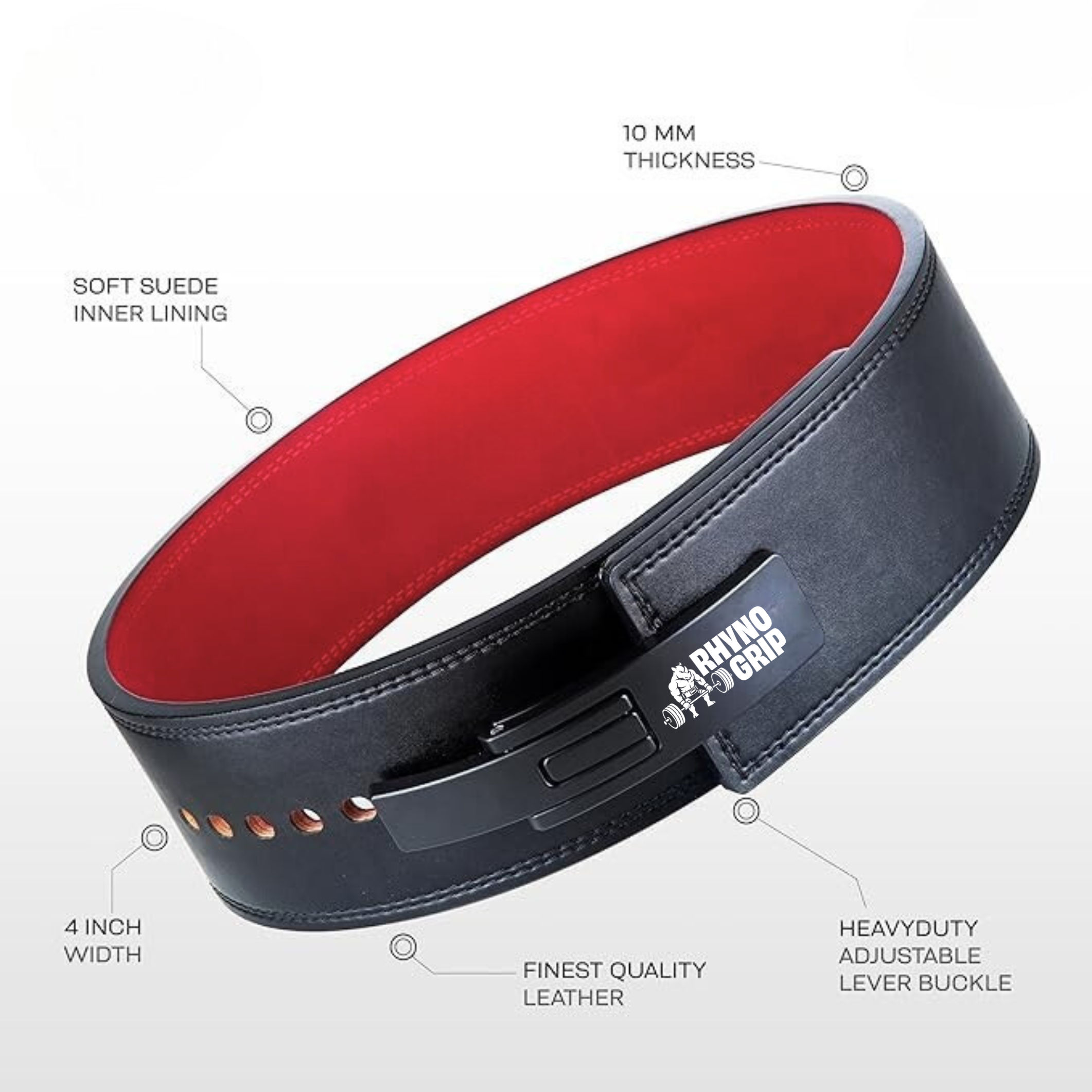
Pair your wraps with a solid lever belt and liquid chalk for a complete pressing setup that maximizes performance on every heavy session. Browse all RhynoGrip accessories to build your training kit.